
Understanding the Recovery Process
Effective athletic and physical recovery is more than just downtime; it’s an active neurological and physiological rebuilding phase. When tissues experience stress from intense training, micro-tears and localized inflammation trigger natural cellular repair mechanisms.
However, traditional rest alone is often not enough to ensure optimal tissue remodeling. Without targeted intervention, muscle fibers can heal with restricted mobility, adhesions can form, and neurological pathway efficiency can degrade.
Key Physiological Recovery Factors:
- Myofascial blood flow and vascular oxygenation
- Nervous system down-regulation (shifting to parasympathetic state)
- Mitigation of secondary compensatory tension patterns
The Role of Advanced Therapeutics
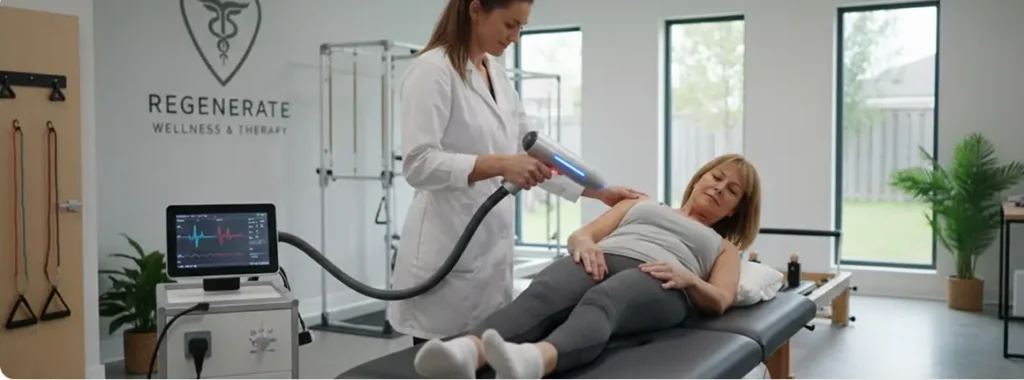
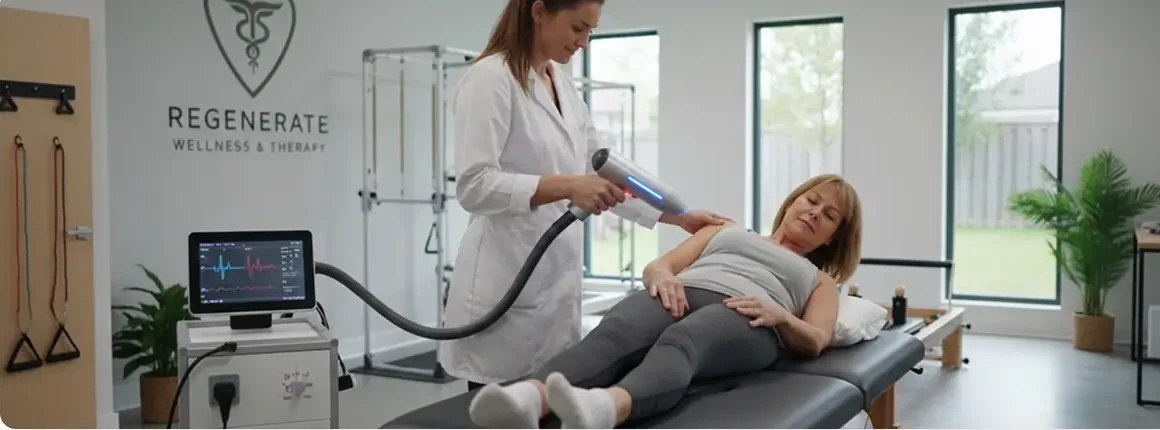
At Restore Health & Longevity Center, we combine traditional recovery disciplines with state-of-the-art modalities. Modern therapeutic technology like dry needling, focused shockwave therapy, and cold laser treatment are designed to stimulate biological pathways at the cellular level.
“Recovery is not just about resting — it is about giving your body the right tools and conditions to heal effectively.”
Dry needling, for example, directly target trigger points to release neuromuscular tension instantly. Meanwhile, shockwave therapy utilizes acoustic waves to re-initiate the healing response in chronic, stubborn soft-tissue injuries.
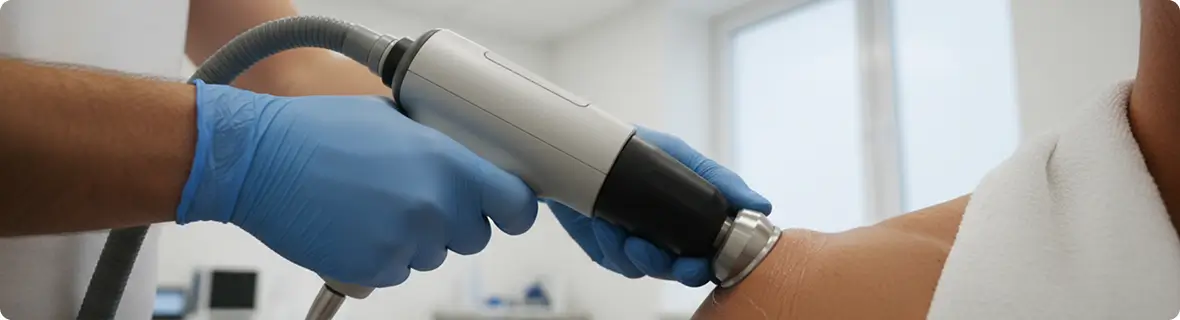
Fig 1. Advanced shockwave therapy application targeting myofascial trigger points in the shoulder girdle.
Building Your Recovery Plan
A comprehensive program must be built around clinical testing, movement analysis, and your specific daily wellness goals. Here is the step-by-step roadmap we utilize with all our clients:
- Comprehensive Diagnostics:
We analyze structural alignment, neurological responses, and core movement deficits. - Targeted Modality Application:
Integrating dry needling, laser, or physical therapy to clear local tissue restriction. - Longevity-Focused Integration:
Providing actionable exercises and behavioral habits to sustain the physical improvements achieved in-clinic.